music industry professionals

Chuffed Founder Dulcie Horn on Festival Storytelling and the Business Behind It

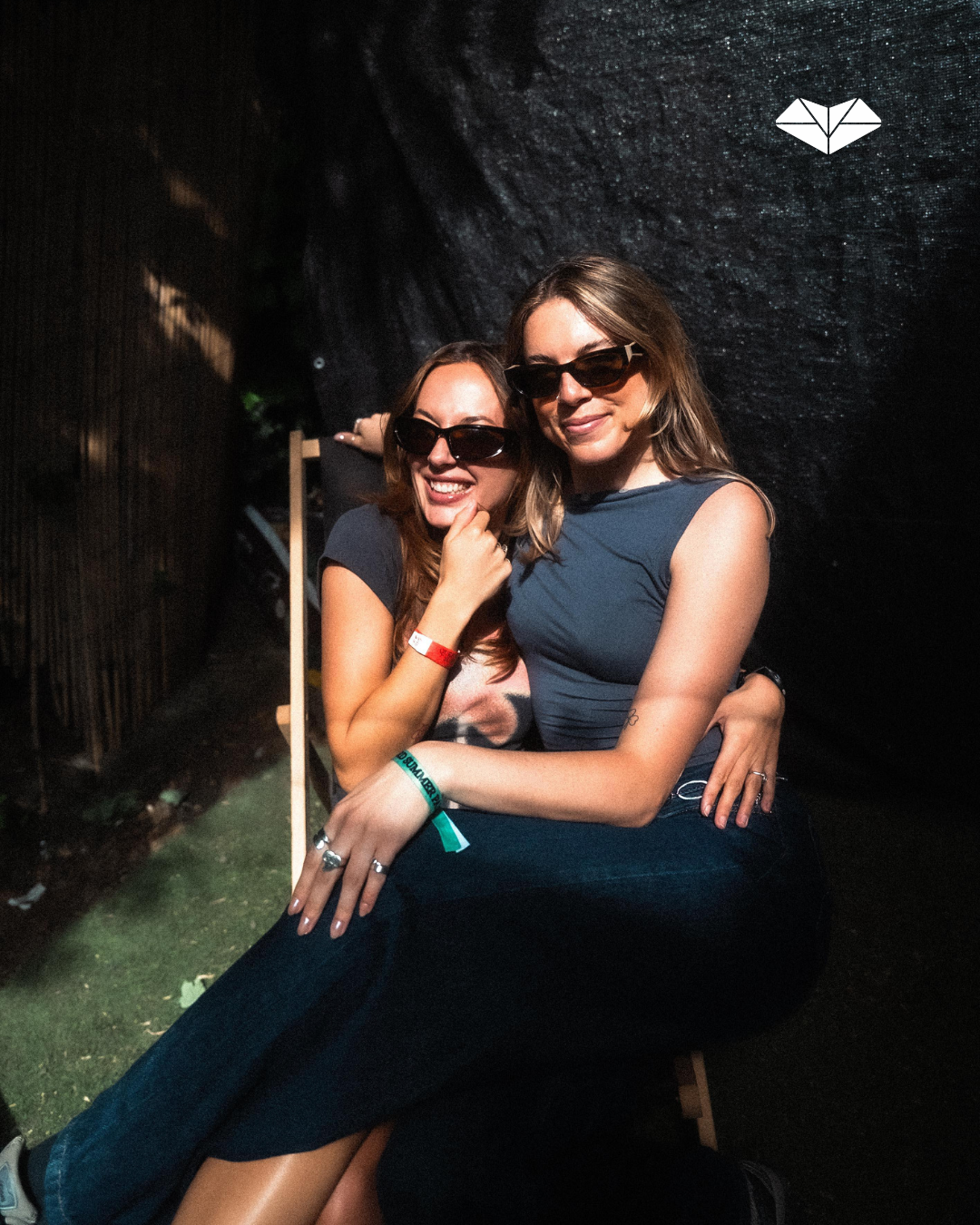
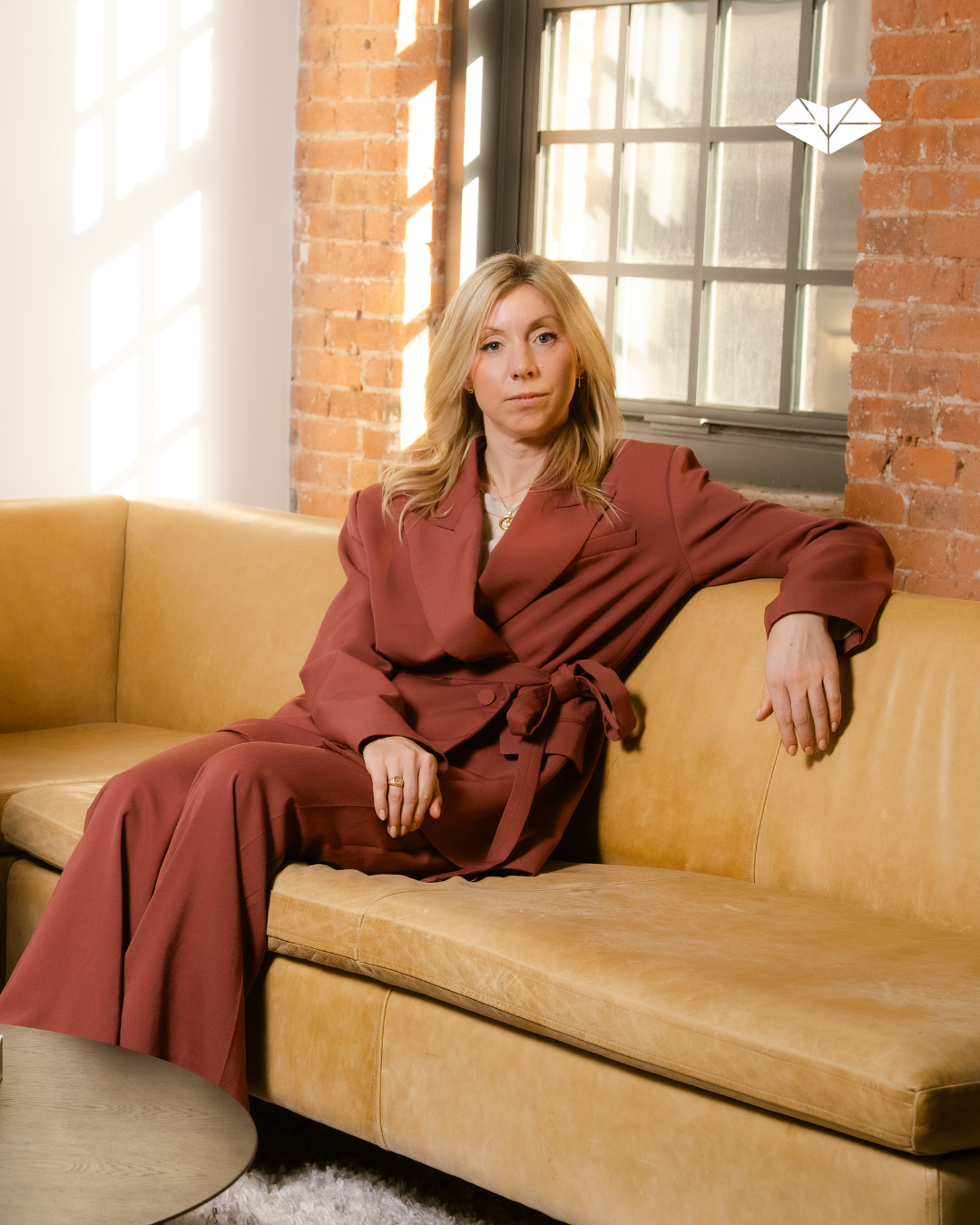
Photo credit: Amy Fern

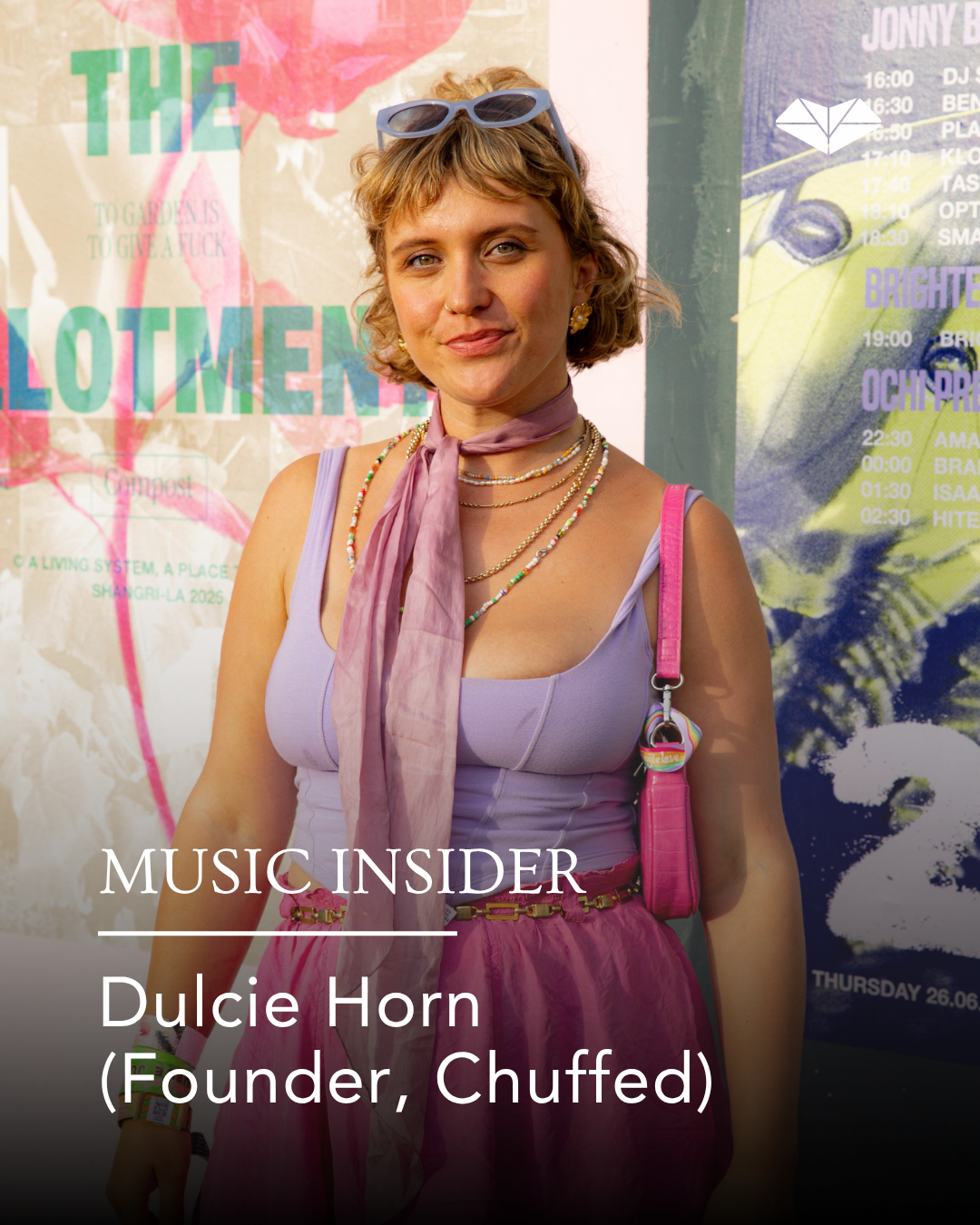
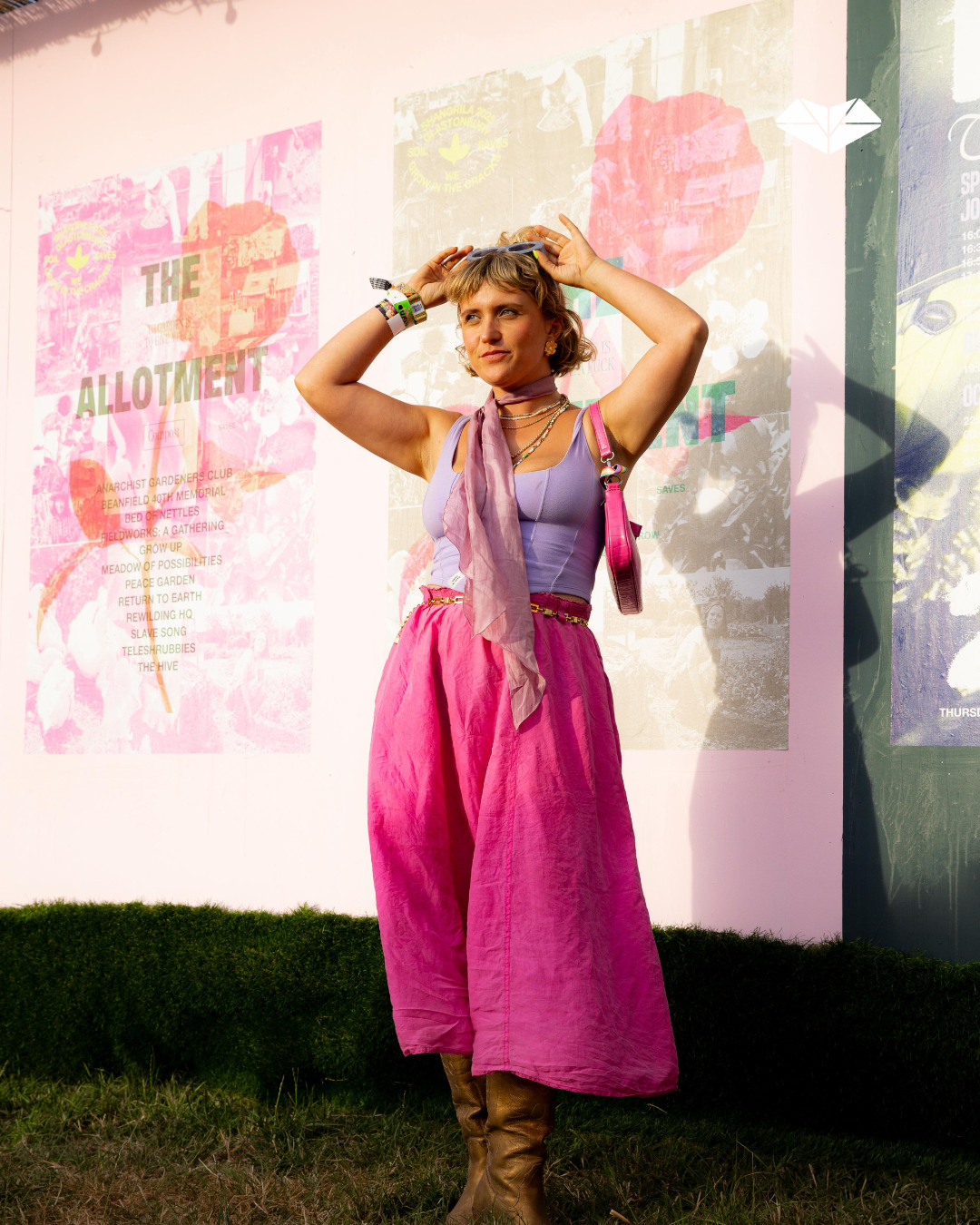
Dulcie Horn is the founder of Chuffed, a creative strategy studio working across festivals and cultural events, with a focus on brand strategy and social storytelling.

Her work centres on how festivals are experienced and communicated in real time — from leading on-site media teams to shaping the way audiences engage with events beyond the physical space. Operating internationally, Chuffed has built a reputation for delivering social-first coverage that reflects the culture on the ground rather than simply documenting it.

Alongside this, Horn has been vocal about the need for greater gender representation within festival media spaces, an area that continues to lag behind other parts of the industry.

How was your journey into music and what inspired you to launch Chuffed?

I have been lucky enough to be attending festivals since I was 11 and have always been massively passionate about them, working full seasons since I was 18 and just keen to do anything that allowed me to go to more! I think they’re incredibly important cultural spaces and one of the things that the UK does amazingly well - I think they’re more important than they’ve ever been. 

I’ve always been pretty online and creative. I originally wanted to work in magazines (RIP!), so marketing felt like a pretty natural path. I landed a job at Boomtown doing a mix of customer service and digital marketing and from there became the digital marketing manager. I picked up more clients along the way, and became known for doing strong live social coverage at festivals before that was really much of a thing. Eventually, I stepped out and started Chuffed because I wanted the freedom to work with more of the people, brands and events I believed in.

When establishing Chuffed, what proved most difficult -e.g. building the right team, securing clients, or defining the studio’s creative positioning? What helped you navigate that phase?

Scaling, absolutely. Getting the right amount of work in, and charging enough for it, has probably been the hardest part. The bigger the team gets, the bigger the risk gets too… I’ve had some pretty spicy years with five people on the team, low resilience in the business, and the reality of me not actually earning any more money for carrying all of that. The business side has definitely been a huge learning curve, and the festival industry is its own beast as well, seasonal, fast-moving, and often quite unpredictable. I think we came into it quite naively, and a lot of that phase was about learning in real time how to build something sustainable, not just exciting. 

What helped, unfortunately, was not very sexy! It was experience earned the hard way, learning to be more realistic about capacity, more confident on pricing, and more honest with myself. 

For anyone hoping to work in your field - e.g. festival production, marketing, or cultural strategy -  what skills should they focus on developing early in their careers?

For anyone wanting to get into marketing, brand strategy or this world more broadly, my biggest advice is just to get stuck in. I had a couple of my own little businesses in my early 20s that I marketed on Facebook and Instagram, I offered to help with socials for employers I was working for, and volunteered with charities and other projects wherever I could. 

There is also so much free information online now that you can teach yourself a huge amount. But beyond that, I think one of the most valuable things you can do early on is develop your eye, really pay attention to what makes people care, what builds trust, what creates a feeling, what makes someone want to be part of something. That’s the bit that moves you beyond just posting content and into understanding brand and audience properly.

The beauty of marketing and social media is that you do not need to wait for permission to start. You can build something, grow an audience, experiment with ideas and learn by doing, even if you do not have a product to sell yet. So much of what I know has come from passion projects over the years, from running a festival blog to posting silly videos online, because all of it teaches you how people connect.

What’s your best networking tip to connect with the right people in the industry? 

Go out!!!! A huge part of my network came from clubbing a lot in my early 20s and bopping around the festival scene. So much of this industry is built on real relationships, and those tend to grow from shared spaces, shared interests and just being around.

Say yes to events that interest you, be part of your community, join the WhatsApp groups, and get involved in what’s happening around you. And don’t just think about networking in terms of what other people can do for you - recommend people to each other, connect others, be generous. One of my greatest joys in life is introducing people who should know each other, and that always comes back around in some form.

Many people enter the industry through short-term or freelance work. How can early-career professionals turn those opportunities into sustainable careers?

There’s a lot of opportunity out there for content creators and creative marketing freelancers, and it’s a brilliant space to build a sustainable career because, unlike a lot of festival work, it exists year-round!! For me, taste is everything in this kind of role - you need to keep tuning it, practising, and sharpening your skills, because the platforms and the culture are always moving.

The real magic is when creative ability comes with organisation, reliability and strategic thinking. That’s the killer combo. Plenty of people can make nice things, but the people who build lasting careers are the ones who can also deliver consistently, communicate well, and understand the bigger picture.

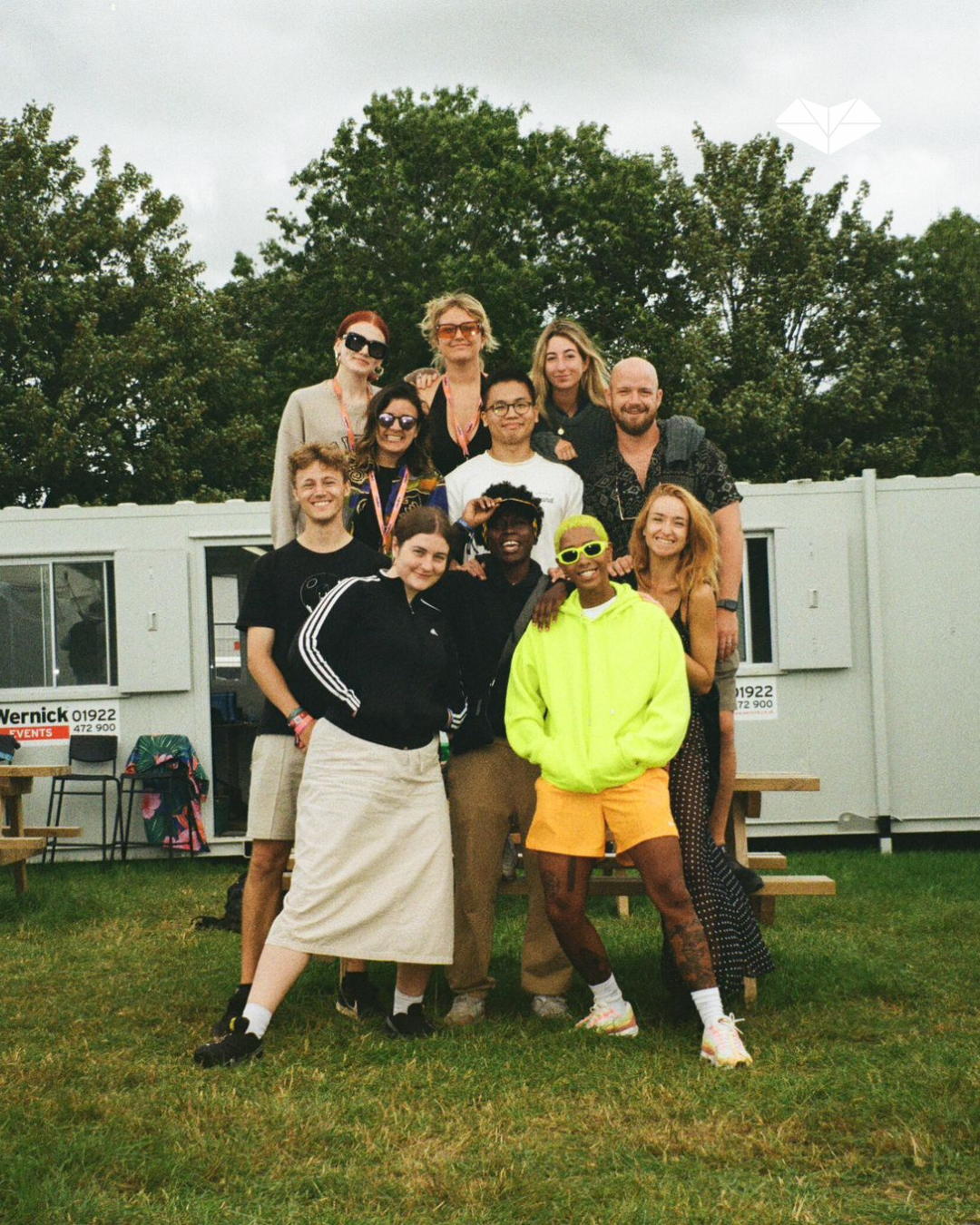
Photo credit: Amy Fern

Who are some women who have inspired your approach to work and leadership?

So many!! I’ve been lucky enough to work with some real powerhouses over the years. I’ve spent plenty of time in Event Control at festivals and always loved watching brilliant operation leads in action - people like Judy, Poppy and Lou from my Boomtown days all taught me a lot about how comms and marketing intersects with what’s actually happening on the ground. 

The fantastic Anna Wade, who I worked under at Boomtown and who pushed some really important boundary-breaking work around harm reduction and more. Penny Warner at Team Love, who is leading in such an ethical and values-led way. And I always love seeing the rare female festival directors doing their thing - Vicky Fenton from Wild Wood Disco, Elle Beattie from Field Maneuvers and Marjana Jaidi from Oasis Festival. 

What is one of the most important leadership lessons you’ve learned?

Go on holiday. Having no time off and being really stressed is counter-productive. In the long run, you get less done, your judgement gets worse, you become reactive and just a bit of an arsehole! I really struggle working with people when I can tell they’re not looking after themselves properly, because it always seeps into how they lead.

It felt impossible to take proper time off in the early years of Chuffed, but now it’s a non-negotiable. I will always do better, more creative work and be a better person to work with when I’ve had a break. 


Dulcie Horn Instagram | Chuffed

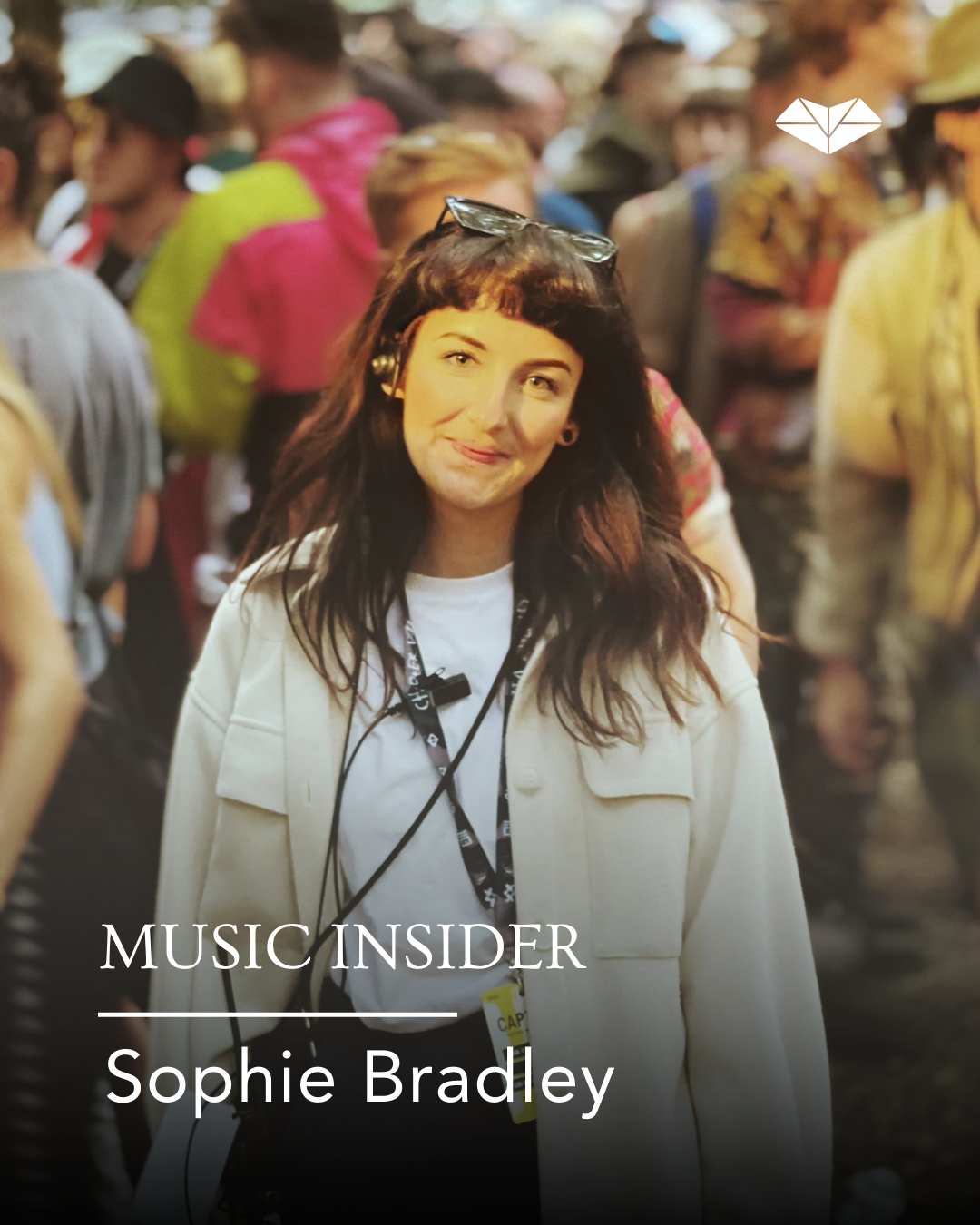
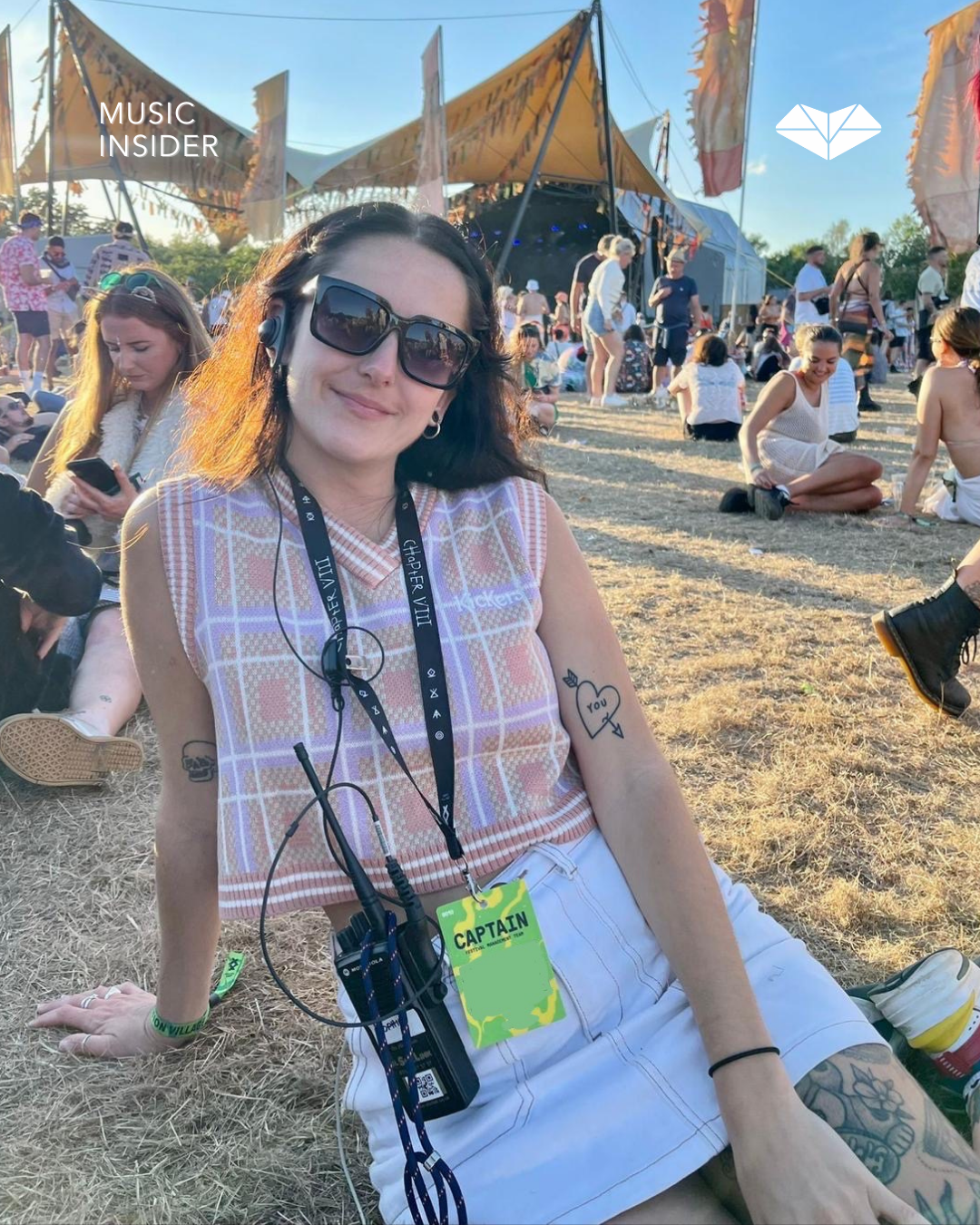
Lost Village’s Sophie Bradley on Curating Artists and Shaping Festival Culture

Sophie Bradley is a senior programmer and event producer working at the intersection of music, culture and live events. As Senior Booker at Lost Village, she plays a central role in shaping one of the UK’s most distinctive festivals, overseeing artist programming, cultural curation and the complex logistics that sit behind large-scale productions.

Her path into festival programming began in touring, where early experiences on the road offered an unfiltered view of the realities artists and crews face. That perspective continues to inform her approach today — one grounded not only in musical instinct but in an awareness of the human and logistical dimensions that underpin live performance.

Since joining Lost Village in its inaugural year, Sophie has helped develop a programming ethos centred on discovery, representation and long-term relationships with artists and collectives shaping progressive dance music culture. Alongside her work with the festival, her experience spans major events and venues including Glastonbury, Labyrinth Events and Printworks, as well as programming for NME and producing sold-out London shows for artists such as Olivia Dean.

Now navigating senior leadership in the music industry alongside new motherhood, Sophie brings a thoughtful, people-first perspective to her work — balancing ambition, care and creativity while continuing to shape spaces where culture and community can thrive.

You started your career in touring before moving into festival programming. What did life on the road teach you that still shapes how you book artists and build lineups today?

Starting out in touring gave me a real, unfiltered glimpse into what life on the road looks like — the long days, crazy working hours, constant travel and the physical and emotional toll that can take. I gained a super strong work ethic, but it also showed me that the industry can ask way too much of people.

Because I’ve worked shows from an artist/tour manager perspective, I’ve seen firsthand how backstage operations, hospitality, and communication can directly affect the artist’s experience. That knowledge stays at the forefront of my mind now that I’m on the other side.

I’m always thinking about how decisions land logistically — from set times, to travel, to level of care and comfort on site. For me, it's shaped a more considered, humane approach to my role where I value the artist's experience just as much as anything else.

Lost Village has grown into one of the UK’s most distinctive festivals. Looking back, what decisions were most defining in shaping its identity?

It goes without saying that the creative set design, production, décor, theatrics, storytelling and immersive experiences at Lost Village are second to none. But when I think about my role and the impact I’ve had in shaping its identity, there are a few things that I’m particularly proud of.

First and foremost, one of the most important decisions was committing to at least a 50/50 balance of female and male artists across the lineup — something we’ve maintained since 2019. When I first began programming, my main aim was to equalise lineups and create more space to platform talent from marginalised communities. That focus continues today and remains front of mind when I’m working with new artists and collectives.

Our booking ethos is one of the things I believe truly sets us apart. Alongside a conscious commitment to diversity and representation, we actively champion emerging talent — something Lost Village has become known for. Discovering, nurturing and propelling new artists is central to how we programme.

Beyond the lineup, I was keen for these values to reflect in the wider festival culture. When I first entered the live events world, I was tired of going out and feeling unsafe and underrepresented. I wanted to be part of something that celebrates people equally, in a way that’s genuinely inclusive and open-minded. That’s why building long-lasting partnerships with allied collectives like HE.SHE.THEY. has been so important to me.

The same mentality led me to help launch the Village Guardian movement at Lost Village — a roaming taskforce - now fronted by UN Women, there for anyone who feels uneasy in any way. Prioritising audience care felt like a natural extension of everything else we were building. It is incredibly important to me that everyone feels welcomed, free to be themselves and truly at home in the Village.

And these aren’t projects in their own little silo; they’ve become bricks in the wall of the wider festival culture. As a team, we are constantly pushing each other and sharing our perspectives, always looking at how we can improve, and that creates a butterfly effect throughout everything we do. 

Balancing senior leadership with new motherhood brings a different set of pressures. Has that shifted how you approach your work or leadership style?

Motherhood has completely shifted my perspective on work. The endurance you need to balance a full-time role while raising a child, running a household, commuting back and forth to London and juggling freelance projects on top — all while recovering from childbirth — is next level!! It’s forced me to become more focused, more intentional, more productive and a master at time management.

Above all, it’s shown me just how strong and resilient I am. I didn’t fully realise that before. Now, I lead with confidence and clarity, knowing that if I can navigate this chapter, I really can achieve anything.

Beyond streaming numbers/socials etc, what tells you an artist is ready for a platform like Lost Village?

Stats do play a part in the process, but it’s not the be-all and end-all for us. As a team, we’re constantly listening to music. We listen to everything that’s sent to us, and we go on our own discovery journeys too. If we like what we hear and feel passionate about it, then we’ll make space for it on the lineup.

You’re known for building long-term, values-aligned relationships with artists and collectives. What does a healthy artist–festival relationship look like in practice?

For me, a healthy artist–festival relationship is built on mutual respect and support, not transactions. It’s about backing one another as you evolve and grow, working collaboratively, investing time in each other, bouncing ideas back and forth and never cookie-cutting the same thing. 

What’s the most useful networking advice you’ve learned that goes beyond visibility or chasing contacts?

Be yourself — as cliché as it sounds! It’s easy to feel like you need to act or think a certain way in the music industry - maybe be more hard-nosed than you are naturally - but if you’re mimicking other people, there’s nothing that truly sets you apart.

We can learn from each other, of course, but backing yourself and your personality is what makes people remember and respect you. That’s what lays the foundation for real, lasting relationships in my eyes.

Equally important is listening. Remember people, their stories, insights and small details. It always works in your favour. I work hard to make meaningful, professional relationships in the industry, which over time has blossomed into reciprocal friendships & genuine interests in one another.

And above all, be kind and honest. We don’t need to play poker games; being upfront and genuine, not wasting each other's time, goes a long way in my opinion!

On a difficult or high-pressure day, how do you unwind, and what helps you reset?

We took the leap out of London and moved to Margate last year, and living by the sea has been a real reset for me. It makes me feel cut off from the rest of the world — in the best possible way. After a day in the London office, I’ll read a book on the commute back to the coast, using that time to decompress and switch off from devices. Stepping off the train and taking a deep breath of fresh sea air helps me properly reset and reminds me there’s a world beyond the laptop screen.


Sophie Bradley on Instagram | Lost Village

Artist Manager Emily Hornbuckle on Artist Development and Long-Term Careers in Electronic Music

For Emily Hornbuckle, artist management came after years spent working across live music, festivals and grassroots shows. Before launching Charm alongside Cali McKinney in January 2025, Emily worked as Senior Events Coordinator at Vision Nine, contributing to major UK events including Boardmasters, NASS and BBC Introducing Live, while also programming independent gig nights across London featuring artists including Olivia Dean and Goat Girl.

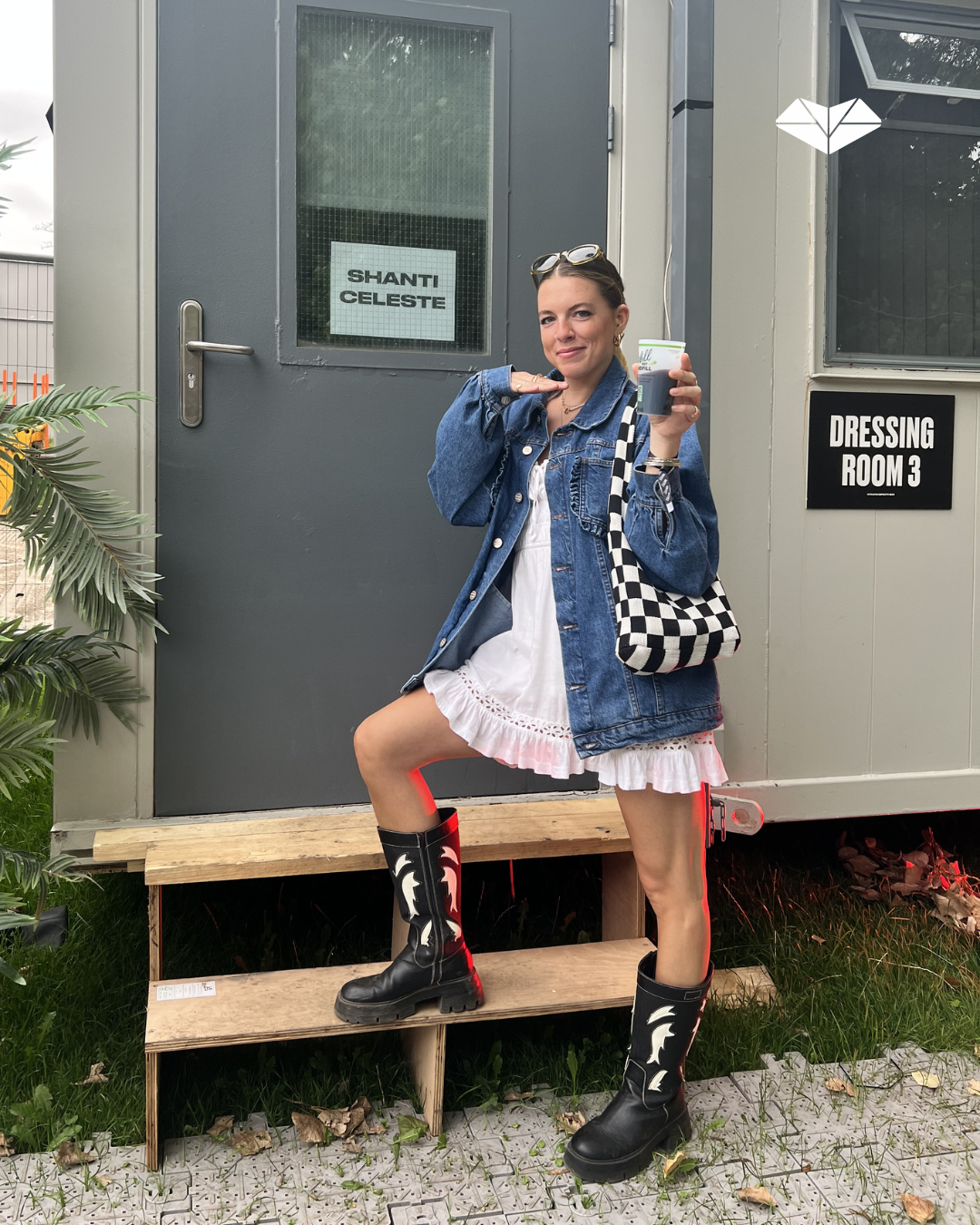
After moving into artist management at One House in 2022, Emily went on to co-found Charm, an artist management company rooted in electronic and underground music culture. Today, the agency works with artists including Shanti Celeste, Call Super, Surusinghe, Lulah Francs and James Rand, while also representing CCL and studio20. Alongside day-to-day management and long-term artist strategy, Charm has expanded into events through its Seave series, which launched at Next Door Records Two with Leeds band HONESTY and support from studio20.

This year also sees the launch of Charm’s new mix series, featuring artists Emily and Cali admire, including Sarkawt Hamad and T90s, alongside longer-term plans to develop the company further through future label projects and continued events programming.

How did you get your start in music?

My very first job in the music industry was working as a production & artist liaison assistant for SC Productions based out of Cardiff in 2018 between my second and third year at university. I moved there on my own, all my friends were working in hospitality back in Cornwall but I knew the world I wanted to get into I needed to get some experience before leaving uni so took the gamble and made the move to Cardiff for the summer to work on a bunch of shows.

My first show was working on a Stereophonics show at Cardiff City Stadium as a site office assistant where I literally learnt everything there was to know about building a temporary site from Heras fencing to track mats. After that I worked at Cardiff Castle (Pete Tong + the heritage orchestra, Catfish and the Bottlemen), Parc Areas with Paloma Faith. The second half of the summer working on the artist liaison team and advancing Bloodstock festival which gave me my first real insight into being across a project from a more planning & delivery perspective (as well as a free tattoo from the tattoo artist we’d booked for the artists!)

My final show with SC was working as the artist liaison office manager at Creamfields, I would greet every artist, take them to green rooms, organise transfers to and from stages. I was already interested in electronic music from living in Bristol for uni and would regularly go to Motion, The Love Inn, Crofters rights and so this show really cemented the fact I wanted to work in electronic music. A friend of mine was the logistics manager at Motion and knew I’d been working over the summer and offered me a day or 2 a week to support him advancing shows at the club every week during its in:Motion club series which I loved.

At Boardmasters + NASS (RIP) I also started as the Events Management intern and progressed over the 3 years to be working alongside the festival director to produce Boardmasters, a 60,000-cap festival as well as navigating it through covid… probably one of the hardest jobs I’ve experienced to date but the pay-off when a show like that comes to life is unreal — you see all the hours you’ve put in all year, then it’s over and you go again! This job taught resilience on another level which I took with me onwards to my next venture in management.

I made the move into artist management at One House in 2022, through which I assisted Sandy Marris his roster, and fast forward to today, we’re still working together on a couple of artist projects. At the time One House was a 360 agency with bookings, management and a record label in house, I learnt so much from my time there across all the divisions and the first few years were full of learning and absorbing what was going on around me both at the office and outside at gigs.

One House is where I also met my now business partner Cali McKinney, very quickly Cali, Suze Surusinghe (an artist we now manage full-time, but who was a manager at One House at the time) and I became close friends. My first week at One House was also Suze’s first week being managed by  One House, so I happily became part of that team from day one.

I was fortunate enough to start my career in management working with artists across different points of their careers, with Suze everything was a first together - first EP released, first press coverage, first radio plays etc which is the best feeling to see achievements roll in like this.

With more established artists like Shanti Celeste, the focus is on continuing to build and develop projects like with Club Celeste London, we are producing the 4th edition this year at The Cause and are so proud of the space we’ve created with the team. We have over 3000 people attending and over 50% of the audience is female identifying, it’s a key date in the calendar we all look forward to working on.

charm was born in January 2024 with Cali McKinney, it began because we wanted to run gigs together and then it U-turned into us starting our own company together. I had never envisioned going freelance, I’d been employed since my first job at 14 but just felt like the right time to go out there and start something of our own.

We signed some new artists to the roster and our first year was a whirlwind but so motivating and liberating, into our second year we are focussing on what we want to charm to be and begin to develop our brand through our charm curates series - watch / listen / read / visit recommendations from us and guest DJs who provide a 1 hr mix as well for us. Secondly, the focus is launching the label, autumn 2026 watch this space.

Fast forward a few months I met Sophie Bradley who was the A&R at VG at the time, she’s now one of my best friends & couldn’t be more thankful that our paths crossed during this time.

We worked together to produce the VOCAL GIRLS launch show at Moth Club in October 2021, we booked Olivia Dean who I’d been a huge fan of since finding her in late 2019 and was the first person we’d suggested to book.

She was the last gig I went to before lockdown Off the Cuff in Herne Hill for an EP release she did and now on the other side of covid we had booked her for our own show. The show sold out with double the venue capacity on the waiting list which was only a sign of what became and now she’s sold out 6  O2 Arenas in London!

After that we continued to do various gigs across the year Molly Payton at Shacklewell Arms, Pixy at Windmill Brixton, and curated a stage at The Great Escape. I loved every moment of it and the fact I was doing this outside of my current job showed me a new side to working with artists more closely. The feeling of being a tiny stepping stone in someone’s career was the best feeling and the first time I felt that I could do this as a job not as a side hustle.

You’ve worked closely with artists at very early stages. What do you look for beyond the music when deciding who to support long-term?

I feel very fortunate that the majority of my roster that I’m working with now is who I began my journey with in management (Call Super, Shanti Celeste & Surusinghe).

When we started charm I started working with James Rand & Lulah Francs too.

The majority of my roster are touring DJs & producers, and what’s exciting is that the creativity doesn't stop there; Call Super is also an artist, in 2023 alongside Call Super’s album we announced an an art exhibition called ‘Tell Me I Didn’t Choose This’ at St.Marys Church on Bourne Street, London where we held a week long exhibition with paintings it was part of a wider project with the album around self reflection and other themes of the album. 

With Surusinghe we launched ‘Drifting’ a music blog & community online as well as starting her own events. On the community side one thing we do is a monthly Zoom call we call a music ‘book’ club where we talk about an album once a month with people from the community. So far we’ve done, Nick Leon’s, Erika Decasier, YWH Nailgun and more! It’s so fun to connect with people who love music in that way. 

With Lulah Francs, what was inspiring about our early chats together was that first and foremost she’s a singer, and feels most comfortable writing lyrics and singing and has the ambition to be in a live band one day. Something we have been working together for over a year now so watch this space!

Overall, what draws me in is the wider creative world an artist wants to build, the projects beyond the music, and the ambition behind them. What's most exciting to me is where I can add value in these other projects, and creatively they're some of the most rewarding.

On a personal level there needs to be a level of compatibility between us working together, it's an equal partnership between manager and artist. You'll talk to each other most days so there's a level of personal relationship needed, and being able to align on communication style. It's not a one size fits all so being able to adapt with every artist is key. Equally, it's not an easy industry to be in, as managers we can only provide as much value to your career as the artist is willing to put in alongside us.

For artists trying to build sustainable careers right now, what’s genuinely worth focusing on and what’s just noise?

There is a lot of noise out there, especially online where people are projecting what you should and shouldn’t be doing as an artist which I can imagine it’s very overwhelming for not just emerging artists but all artists.

The scene is constantly changing, trends are shifting, and social media has a big influence on these and how quick things can move. I don’t think social media is all that bad though, it’s part of our everyday lives within this industry. The era of the influencer content seems to be fizzling out and people are craving authenticity and community online more than ever. Keeping true to what your own creative interests and passions are is what will cut through all the noise. 

Being aware of current trends is important but you don't need to change who you are as an artist to fit the moment in time. If you can find a way to utilise what's trending in your own voice as an artist then go for it, but don't force it. There's plenty of artists out there who are 'breaking through' but have been grafting, touring, producing records for years and have stuck true to what they believe in. It's easy to look at someone having a moment and assume they came out of nowhere, but there's almost always years of work behind it that just isn't visible online.

Through Charm, you’re building something that goes beyond management — events, a mix series, and potentially a label. Why was it important to create a wider ecosystem rather than just a roster?

Genuinely being able to build something outside the roster is so we can work with artists we are fans of in a different capacity to management. With the charm curated mix series for example this is purely a space to showcase artists we are fans of. Some we may know already, some will be completely new relationships, and if we are opening doors for artists to showcase their talent to more people it’s only a positive thing.

We’d love one day to be able to become a platform that has influence like so many others like Truants, untitled808, Dekmantel podcast and others!

For the label, similar to the mix series the aim is to be able to work with artists within a different capacity as well as across other genres. Cali & I originally wanted to run live gigs together because we both love bands as well as club music and would often go to gigs and say why don’t we do this.

That’s how ‘Seave’ began which was our first gig night where we had HONESTY headline & studio20 support, caveat to my previous point on us working with artists in a different capacity to management, Cali now manages studio20. I think it’s an amazing opportunity to work with someone because you’re a fan of them and you never know where it might lead. We hope the label can not only showcase club music we love but bands too, naturally the label will have an electronic overarching genre to it as it’s what we love and know best. We have already started plans for our first few releases, autumn 2026 watch this space!

Overall, it’s important to us not only from a passion and creativity point of view but we want charm to grow into an established company within the industry.  Would love to start bringing people into our ecosystem and collaborate together to make it grow beyond management.

What’s been inspiring you creatively lately, both inside and outside of music?

My semi new years resolution was to go see more band gigs, I can often get swept up with work shows that there’s less space for me to go to see new music / artists. I find this super inspiring, whether it’s supporting friends bands or recommendations from friends, there’s no better feeling than watching an amazing gig and walking away like you’ve witnessed something special. Also, knowing the other side of promoting shows and how much work goes into them no matter the size of the room it’s always the best feeling seeing it come to life, from 300 cap rooms at MOTH Club to 3500 people at The Cause.

I’ve always loved taking photos on film cameras / digital cameras from a young age, every year I have a new camera on go. The majority of the time they’re photos at festivals, gigs of my friends, artists just a nice way to create memories that feel more real with a film camera. I definitely prefer being behind the camera than in front of it! 

With charm we have recently started a ‘charm curates’ series where Cali & I give monthly recommendations of what we’ve read/ watched/ listened and recommend to visit. It’s fun being able to share that side of us through charm that’s not just through music but our personal tastes. 

Women doing great things in and outside of the industry I work in is inspiring whether it’s amongst my friends, family, artists etc. Sophie Bradley, who I mentioned is a close friend, is juggling a new life in motherhood as well as booking your favourite artists at Lost Village festival.

My Dad is one of my biggest inspirations in the work I do, he’s got the best work ethic of everyone I know, and he’s definitely instilled that in me. He’s travelled the world in the work he does and showed me at a young age there’s a whole world out there you can explore when it comes to your work. I’m inspired by my friends, family and creatives I see and work with every day to remind myself what I’m doing is having an impact.

Shoutout to everyone I work with everyday, Sandy Marris who I wouldn’t be in this job if he didn’t take a chance on me! He gives me perspective on everything I work on, not just with the artists we still work with now but other projects I’m working on.

This industry can be intense. What’s your way of resetting or unwinding when things get overwhelming?

As much as I can do leaving the job at the door when I get home, it doesn’t always happen of course. Now that I’m working for myself I can have more flexible working hours.

I’m most productive at the start of the day and the end of the day and try to get home when my partner does so my brain switches off for a bit. I may check back in after this but try not to unless urgent or an especially busy period.

I’m still learning everyday how to manage my emotions in and out of work, especially if I’m feeling overwhelmed or when imposter syndrome starts to creep in and then the anxiety I get about feeling all of those things, and then the classic case of questioning yourself!

It’s a personable job, you talk to people all day everyday which can be exhausting especially if you have other things going on in your life outside of work. My work consists of late nights on the weekends so my weekdays are so precious, Monday to Wednesday / Thursday I’m pretty strict on keeping those evenings free of plans to just be at home, rest & regain the social battery. Trying to eat well, not drink too much, going to the sauna all helps me keep a clear head entering the work week.

Taking time off! Time flies in this job and it will be months before you think wow I’ve not had any days off that haven’t been for work / travelling. I always try to get a week back home in Cornwall before summer kicks in and usually the same afterwards in September / October time. You are your best self when you can take a rest and switch off.


Emily Hornbuckle on Instagram | LinkedIn

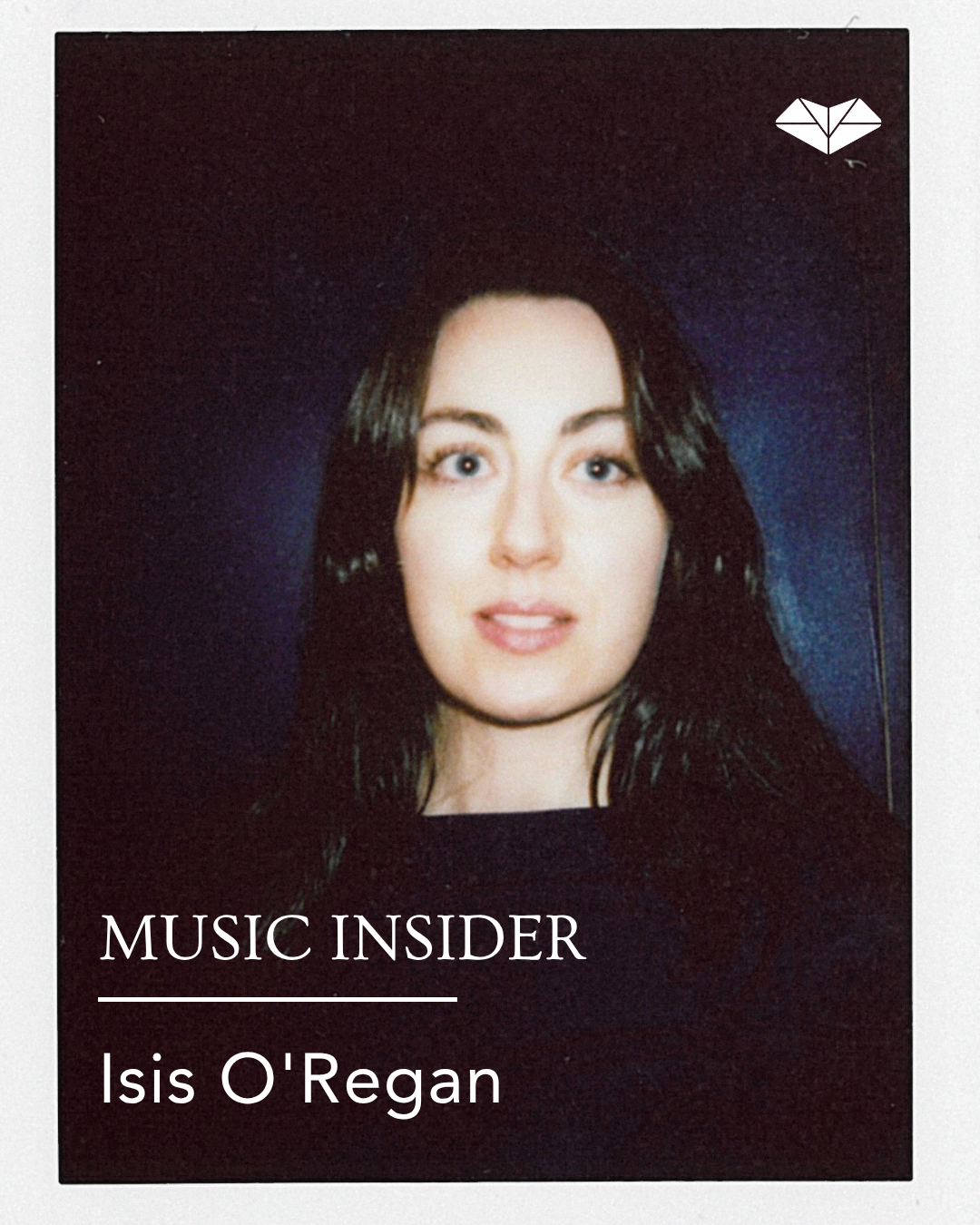
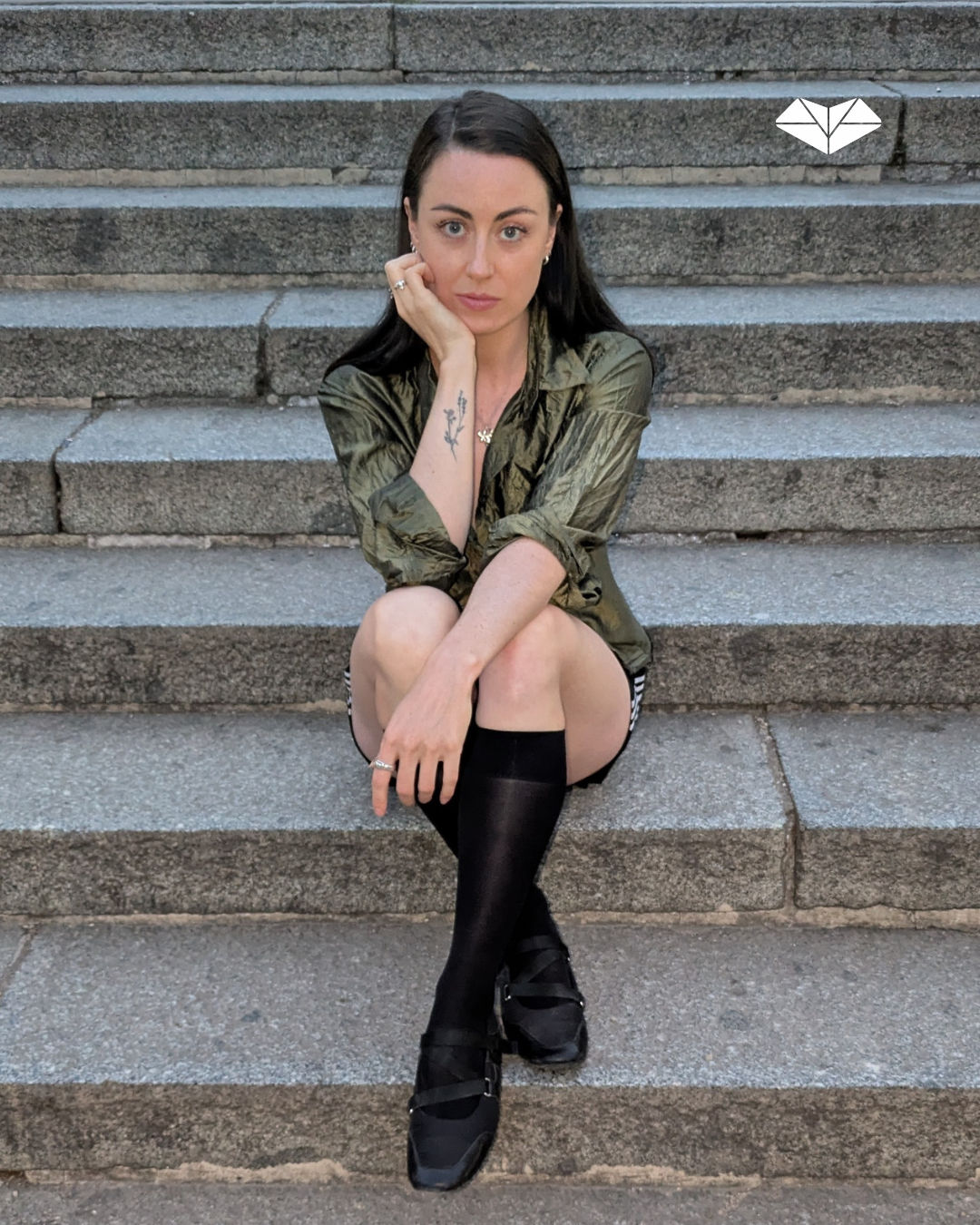
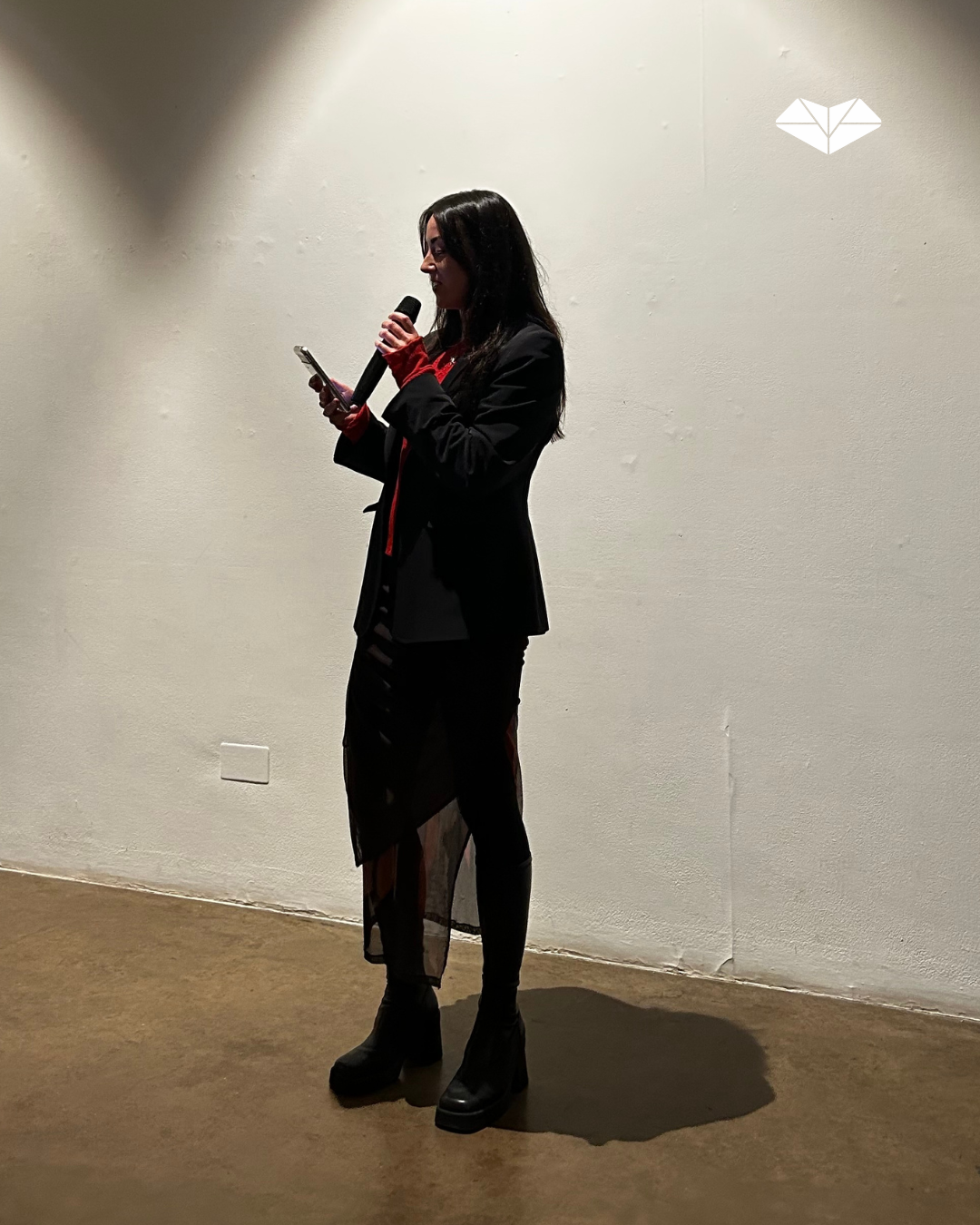
Isis O’Regan on Music PR, Cultural Strategy and Building The Sugar Factory

Isis O’Regan is the founder of The Sugar Factory, a creative communications and strategy agency working across music, art, film and technology. Over the past five years, the agency has worked with clients including Tate Modern, Somerset House Studios, Warp Records, Erased Tapes, One Little Independent, AD 93, ICA London, London Short Film Festival and Scottish Queer Film Festival.

Founded with a focus on bespoke strategy and culturally engaged storytelling, The Sugar Factory operates across digital, print and broadcast PR, brand development, strategic consultancy, partnerships, crisis communications and cultural advocacy. Embedded within independent and experimental creative scenes, the agency is known for supporting artists, institutions and projects working across contemporary culture.

What is the role of the publicist? What’s a day like working at TSF?  

The role of the publicist in the creative sectors is essentially to be the guardian and amplifier of artistic expression. We are storytellers, and it’s our job to connect our clients' work and ideas with a variety of audiences and with as much exposure as possible. There isn’t really a one-size-fits-all approach as we work with record labels, cultural institutions, film festivals, brands, start-ups, and independent artists. Our idiosyncratic thread is quite simple; we support bold ideas that challenge convention. Pushing for positive change in the arts is a key pillar of The Sugar Factory’s work. Otherwise, what is the point? 

The landscape is ever-changing, so we have a Swiss army knife of skills, which mirrors the type of people we work with, too. We offer traditional media campaigns across digital, print, broadcast and social media.

As well as other essential elements to PR: identity development, crisis communications, partnerships, strategic consultancy, ambassador and influencer collaborations, plus content ideation and creation and editorial direction. We can help bring out key messaging and the visual and ideation that accompany any idea or project. I also host guest lectures and mentoring now and again, and have appeared on panel discussions for my insights.

Every day can be different depending on campaign cycles, but Lily and Jo, my fantastic colleagues, and I will always start the week by dissecting news and trends and forecasting for what we think is around the corner. A big bulk is the actual pitching to the media, and the pipeline for it to be published. It’s a very meeting-heavy and social career in general. A big perk of course is attending as much culture highlights as possible to stay in the know. It’s a dream job for some.
How did you decide when it was time to carve your own path and start The Sugar Factory?

I had been at a couple of great agencies before and carved out a particular niche representing boundary pushing artists, events and venues before I started The Sugar Factory in 2021.

I’m going to shout out Elspeth Merry, who runs The Artists’ Way Agency, for being instrumental in encouraging me to begin my own company. Having someone I looked up to giving me that nudge was needed. I wanted to keep growing in this area of multi-hyphate everything.

While I was on the phone with her, talking about dreams for my next steps, walking through London Fields, I coincidentally bumped into an instrumental player in the arts who I had worked with briefly years before. So, of course, I had to say I’m starting something exciting, and it led to them becoming one of my first clients at The Sugar Factory. It was a huge opportunity that solidified what I do and offer. Serendipity, in my opinion, can’t be ignored. 

There are clients I have been working with since my career in PR began, and they came along for the ride. They include Somerset House Studios (whom I love and are turning 10 this year!) and the iconic Warp Records.

I champion those who are steadfast in their craft and making a difference in the arts, whether in a particular genre or through new technologies. Is it trite to mention the zeitgeist? I don’t care, our clients are really shaping it. It’s special, and we take it seriously.

Our current projects include the Tate Modern’s 2026 Infinities Commission, Jenkin Van Zyl’s new exhibition Enclosure, james K on AD 93, Laura Misch on One Little Independent, a fun art discovery app called gowithYamo, plus some exciting projects to be announced soon. 

The name of the company comes from a beet factory that once stood in my hometown of Tuam, Co. Galway. I always loved the grittiness of something so industrial, making a saccharine product; I love dualities and contradictions. Apparently, when you’re standing near a sugar factory, and you stick your tongue out, you can taste the sugar on your tongue. Mysterious, omnipresent - like PR!
After an intense or difficult day, how do you properly switch off or reset?

I was actually diagnosed with an autoimmune disease recently, so downtime is a non-negotiable. I know I’m meant to say yoga, fresh air and the like, which is true! But a glass of red, a cig and chatting shite with a loved one has its own particular healing properties. Having my own artistic practice is probably the main thing that keeps me sane outside of any work stresses.

I write a bit, and I make soundscapes compositions, a mix of field recordings and synths. I am in love with a synth called the Motor Synth MKII - the inner mechanics are so noisy the wheels scream, creating these odd harmonics. It’s mental.

I’ve been hogging it at Glasgow’s Library of Synths. I’m a proud member! I adore radio as an outlet, and have a homophonic travelling series called Éisteacht Aisteach, which means “weird listen” in Irish. Resident Advisor said it’s sometimes eerie, sometimes sensual, and that’d be spot on. It’s R&D for my own soundscapes; it might be based around a specific theme or a text.

What’s something you wish someone had told you earlier about sustaining a long-term career in music and culture?

Get a good accountant, be financially literate, set your rates and boundaries, and don’t let anyone take the piss.

What are you listening or reading (or both) to at the moment?

Reading: Cronenberg on Cronenberg by Chris Rodley. I’m a big fan. Also constantly dipping in and out of Clarise Lispector's Aqua Viva - one of the most incredible books I’ve been gifted. It’s a sliver of a book, but it’s taking me a while to get through it; it causes me to hardcore daydream. Not in a bad way, it’s just that hypnotising with all its lust and lunacy. Audio book: Revelations: a warts and all mammoth of an autobiographical account of Francis Bacon’s life. Salacious, too. 

Listening:  Streaming on repeat: Magnetism by Drew McDowell and Kali Malone, Lotto by They are Gutting a Body of Water and Neight Riegn by Aroof Aftab 

Physical: have a gorgeous compilation on Somewhere Press titled The Black Hill, The Glass Sky. I love a tape. Here’s my latest show on Clyde Built, the theme’s Savage Bunnies inspired by Sylvia Plath’s Rabbit Catcher.

Isis O'Regan on Instagram | The Sugar Factory Website

444 Sounds’ Izzy Parrell on How to Pitch Music That Stands Out on DSPs

Izzy Parrell is the Director of Streaming & Digital Partnerships at 444 Sounds, the boutique management and label services firm founded by industry veteran Joe Aboud. She leads digital strategy across a roster that includes JORDY, ADÉLA, and Michaela Jaé, and works closely with DSPs to build long-term artist growth.

Before joining 444, Parrell spent several years at Apple Music, where she helped shape the platform’s global editorial voice through Viral and Pop playlist curation. She’s also led digital campaigns for artists including 4x GRAMMY-nominated Mickey Guyton and Elijah Blake known for blending authentic storytelling with data to deepen fan connection.

444 Sounds, whose work has been spotlighted by Billboard and Variety, continues to build a reputation for creative digital strategy and artist-first management.

How did you get your start in the music industry, and what led you to focus on streaming and digital strategy?

After graduating from university I moved to Los Angeles in early 2020 to pursue a career in the creative industries. Just two months later, the pandemic hit, and like many others, I found myself job-hunting in a time of major uncertainty. I eventually landed my first industry role through mutual connections at a digital marketing agency, working directly with artists and managers on social media and music rollout strategy. While I’d managed social accounts on the side for years, I knew I didn’t want to stay in that lane long-term. Finding a role that combined music and digital strategy felt like the perfect fit, and about a year later, that path led me to Apple Music.

What does a typical day look like for you as Director of Streaming & Digital Partnerships at 444 Sounds?

Honestly, every day looks a little different, which is what keeps it fun. My job is really about making sure our artists are getting the support they need across all the streaming platforms. That can mean anything from pitching new releases to building timelines, checking in with DSP partners, working with artists, or brainstorming digital ideas with the team.

Some days are super meeting-heavy and I have lots of calls with partners and artists. Other days I’m deep in the weeds on campaign planning, getting assets, or helping shape the narrative around a project. It’s a mix of creative problem-solving, relationship management, and making sure we’re being thoughtful about how and when we show up. I’m always bouncing between the small details and the bigger picture, and that balance is something I really enjoy! 

You’ve worked on campaigns that blend storytelling with data. What does that process look like in practice?

Storytelling is a huge part of pitching music. I spend a lot of time crafting narratives around our artists so partners can understand who they are, what drives them, and why their music matters. I think stories help break down the barrier between audiences and artists, making people’s connection to the music feel much deeper.

When I pitch, I always start with the story,  a hook that draws people in and gives context to the music. Then I look for data that supports it. That might be streaming numbers showing growth, fan engagement in certain territories, or insights about specific listener groups in different places. Using data this way makes the story feel real and shows that there are people and fans behind the music. The story brings the music to life, and the data shows that the timing is right.

How can independent artists build strong relationships with streaming platforms without a major label behind them?

I think being authentic is one of the most important things when you’re trying to build relationships with streaming platforms. Without a major label backing you, you don’t have all those big resources, so what really makes you stand out is just being real about your music, your story, and your connection with your fans. I often find myself drawn to artists who have a clear sense of who they are and an energy that actually fits the music they make. That kind of authenticity just sticks with you.

What are some common mistakes you see artists or teams make when pitching to DSPs or playlist editors?

Having worked on both sides of the industry, I’ve come to really appreciate how important the little details are when pitching to DSPs. Editors get SO much music every day. It’s a full time job just to sift through it all. Anything you can do to make your song accessible and quick to listen to goes a long way.

They’re often listening to hundreds of songs, so making sure your pitch has clear info, simple listening links, and any useful data can really make the difference between your track getting noticed or getting lost in the shuffle. 

3 Values that guide your life

Connection, Compassion, and Authenticity :)


Connect with Izzy Parrell on LinkedIn | 444 Sounds Website

Vicky Eacott: Building a Career in Independent Music

Vicky Eacott runs Hit Reset, a project management, label management and marketing services company that works with independent artists and music companies. Vicky has over 15 years experience working in independent music in both artist management and label roles. She started her career at the internationally-renowned independent label Wichita Recordings, where she gained experience across all aspects of the day-to-day running of a label and managed release campaigns. Alongside her role at the label, she also worked for the artist management arm of the company, Wichita Management.

During her time at Wichita, she worked with artists including First Aid Kit, Best Coast, Gold Panda, Waxahatchee, Los Campesinos!, Veronica Falls and many more. In 2021 she joined project label management company Positive Subversion, where she worked closely with an eclectic roster of artist management and label clients.

Highlights during this time included project managing the award-winning campaign for Röyksopp’s Profound Mysteries, and leading on the release campaign for Dexys’ The Feminine Divine - which earned the band their highest charting album in over 40 years. Since launching Hit Reset, notable campaigns have included working closely with Los Campesinos! on the release of their seventh album, All Hell, on the band’s own label, Heart Swells. The album reached number 14 in the UK album charts - the first album in their 18 year career to earn a chart placement and their most successful release to date.

Describe a day in your life as a Founder at Hit Reset

Every day is different! I offer a lot of different services and the scope of my role is different for each client which means what I do on a day to day basis is quite varied which is something I really enjoy about my work. A typical day might include: a meeting with a client, working on the marketing and rollout plan for a release, liaising with a pressing plant on vinyl manufacturing, writing a playlisting pitch for a release, registering tracks at collection societies to make sure artists get paid… and listening to a lot of music!

How did you first get started in the music industry, and what drew you to independent music?

I studied a music business degree at university - as part of that degree I had to complete an internship. I interned at 4AD and loved it so much I stayed much longer than planned - then they heard Wichita Recordings were looking for an intern and recommended me for that. Pretty much straight after I started as an intern at Wichita the person who had brought me in left for another role in the music industry and I got her job! I was very fortunate to get that role as my first job in the music industry - it was a very small team so I got experience across all different aspects of a label, as well as artist management, there and I got to work with the best people and on records that I absolutely loved. 

In terms of what drew me to independent music - first and foremost, pretty much all of my favourite bands were signed to independent labels. I loved the spirit of independent music and it’s probably an obvious thing to say but the fact that the people are so driven by their love of music. The fact that artists working with independent labels have much more freedom and control vs artists signed to major labels was also a big factor!

Can you share some insights into what makes a release campaign successful, especially for independent artists?

I think how success is measured can vary a lot depending on the nature of the release, where the artist is at in their career and what their priorities are. One thing that is an important marker of success of a release for all artists is thinking about how it fits in with your development as an artist, and part of that is seeing fanbase growth and development during a campaign. The specifics of what that looks like will vary for each artist but you want to see an increase in metrics that show active engagement with your music and building things like your mailing list and D2C audience. I think it’s easy to get caught up on short term goals for a release - things like how many playlists you’re getting on. Those things are great too but actually converting listeners to fans and deepening that relationship is always the key goal for long term success.


What do you see as some of the biggest opportunities for independent artists in today’s music industry?

I think that artists having more options in terms of how they release music immediately opens up a lot of opportunities. Artists aren’t so reliant on getting a label deal to get their music out now - they can work with a distributor or label services company to get their music out or even release direct to fans on their own subscription service. Every artist is different and the traditional label set up makes sense for some artists - but if you’re in a position to self-release there’s obviously a lot of benefits to retaining ownership of your masters.

On a more general note I think there’s a growing sense of fatigue with content overload and the algorithm driven nature of social media and streaming platforms - people are hungry for deeper connection and community. Obviously it’s always been the case with music that fans want to connect with artists on a deeper level but that feels more heightened now and there’s an opportunity for artists to find ways to foster that with fans and break away from relying on those platforms in order to connect with them.


What’s been the most rewarding part of your career so far, and why?

It’s always rewarding when you get to work with artists for a long time and get to see their development and growth and be a part of that journey with them! One of my highlights of last year was working with Los Campesinos! on the release of their album All Hell on their own label. I’ve worked with the band for over 15 years (and been a fan for longer!) and it was amazing to see so much audience growth with the release of All Hell. It was their first album to chart in the UK (reaching #14) and the band sold out their biggest headline shows in the UK and US around the release.  One thing I particularly enjoy about working with LC! is how much the band always prioritise their fans - and in turn how dedicated and enthusiastic their fans are. It is really rewarding to see how much their music means to their fans and to get to play a part in helping them to release it.


For someone looking to follow a similar path in the music industry, what advice would you give about getting started and finding their niche?

I think in terms of getting started it’s really about getting as much experience as possible, learning as much as possible and also building connections and relationships with your peers. I think it’s only through actually doing that you get to find your strengths and find your niche so it’s important to keep an open mind and try out different things when you’re getting started.

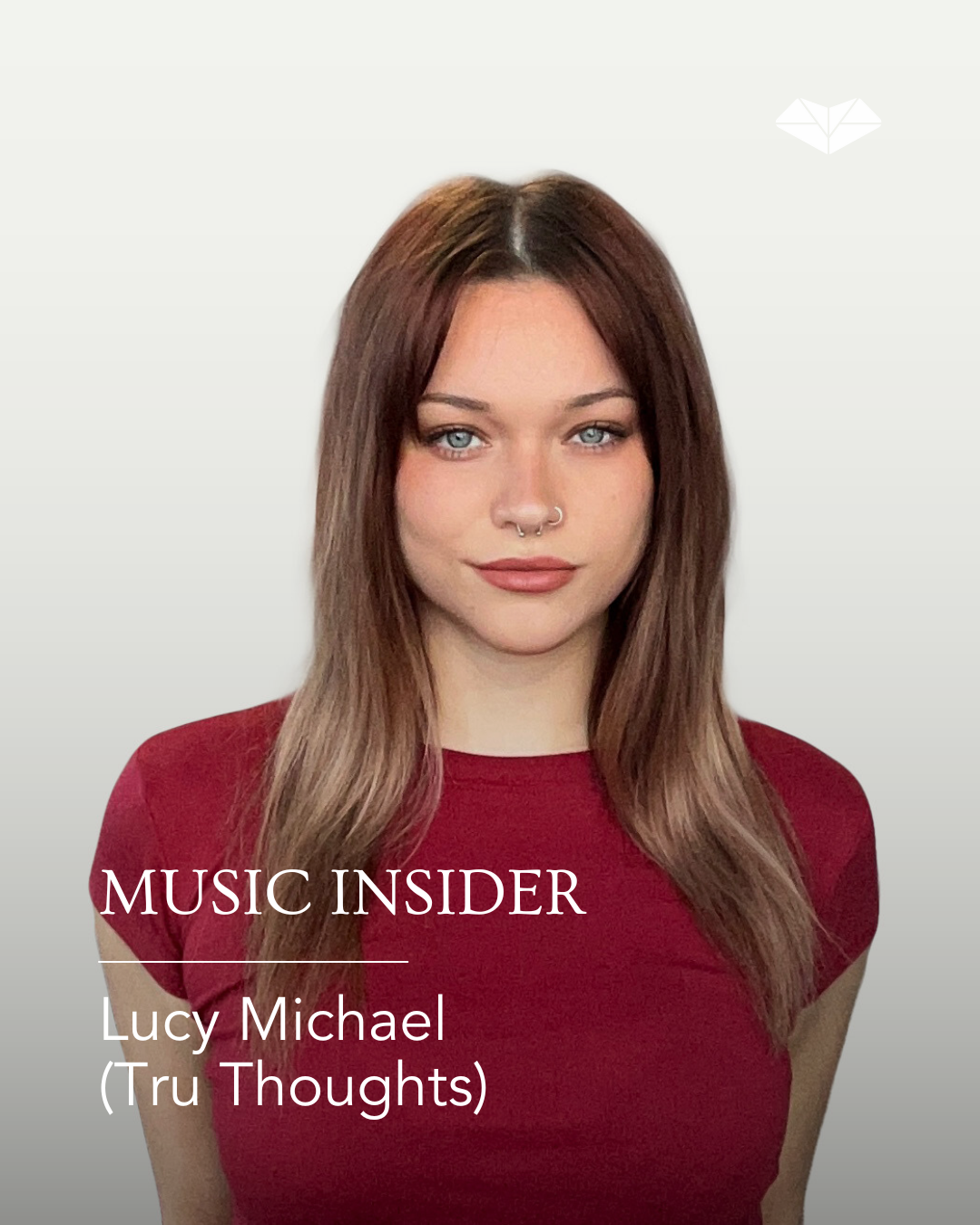
Lucy Michael of 'Tru Thoughts' Shares Tips for Artists and Breaking into Music PR

Lucy is the Content and Promotions Manager at Tru Thoughts, an independent record label based in Brighton that has spent 25 years working with an international roster of artists, including Bonobo, Quantic, Alice Russell, Hot 8 Brass Band, Tara Lily, WheelUP, and Footshooter.

She gained her experience across Brighton, from working club doors to promoting concerts with JOY. She also hosted a radio show on Brighton’s Platform B. Lucy has represented Tru Thoughts at festivals such as Gilles Peterson’s We Out Here, Love Supreme, Brick Lane Jazz Festival, and Offie Mag events, and she’s had the opportunity to support Mr. Scruff live.

How did you get your start in music?

I studied music production in college, driven by a fascination with sampling culture. While exploring the creative side, I became curious about the business side industry and was eager to gain practical, hands-on experience. To start, I approached my local venue and offered to help out.

After a few months of volunteering and learning the ropes, the event manager was happy for me to take over while he went on tour. That experience fueled my passion, and I began seeking opportunities to volunteer at festivals and reach out to music companies during my university years. This allowed me to explore various facets of the industry and understand how they are connected. My role at Tru Thoughts started with an internship inquiry that eventually became a full-time position which has developed over my time there.

Share 1 top strategy for content marketing for artists in 2025

A top strategy for content marketing in 2025 is to focus on genuinely connecting with your audience. I’d say it’s just as important to thank and reward your followers as it is to promote your work. Whether it’s a heartfelt thank-you, sharing a laugh or something you’re passionate about, or giving a behind-the-scenes glimpse into your world, those personal touches go a long way in building a loyal and engaged community around your music and artistry.

What advice do you have for artists looking to get signed by an indie label?

Once you’ve got a project you’re proud of, send demos to indie labels through their submission portals or A&R contacts. Share your story along with your music, labels value getting to know the artist behind the sound.

Keep your pitch concise and compelling. I’d recommend really researching the label to make sure your style fits their roster. A tailored approach will help you stand out. Importantly, don’t be discouraged by rejection, if you don’t hear back keep refining your craft and growing your network, and the right opportunity will come. 

Tips for anyone who wants to get into your industry

To break into music PR and promo, start by volunteering in your local scene to gain experience and build connections. Stay informed through music newsletters, podcasts, and platforms like shesaid.so. Follow the influencers, stations, and tastemakers shaping the industry. If you’re starting out, attend gigs, label showcases, and visit record shops to immerse yourself in the scene and don’t be shy about striking up conversations and building relationships. Pay attention to where music is shared and which press platforms and radio stations cover it. 

What are you listening to at the moment?

Bonnie Calista - Sunday Eve, Baby

Only the good times (burial remix) - L.B.Corp, Burial

Amy Whinehouse - Moody’s mood for love

Footshooter - Obelisk feat. Natty Wylah & brother portrait

Crafty 893 - Nothing Left


Connect with Lucy Michael on LinkedIn | Tru Thoughts

Iona Thomas: Sharing Careers and Opportunities in Electronic Music with Doors Open

Iona works on Resident Advisor’s not-for-profit jobs and opportunities platform Doors Open, as well as managing their Community Partnerships to build out RA’s network across the globe. Iona has worked on these initiatives and been part of the RA team for almost three years.

Previously to RA, Iona was heavily involved with iconic London club space Dance Tunnel, where she made her way into the electronic music world as a DJ and industry pro.

Doors Open has recently been relaunched as a CIC (Community Interest Company), meaning that 100% of profits goes back into developing the next generation of artists and industry folk in the electronic music world.

Also featuring a new website and optimised functionalities and resources for learners, users and employers, the Doors Open platform is an essential tool in developing a healthy eco system for electronic music culture 

How did you get your start in music?

My music industry journey begins in the basement venues of Dalston circa 2013.

I started working on the door at Birthdays (now The Divine) for a few months before moving to Dance Tunnel (now the Karaoke Hole) where I worked on the door until its closure in Summer 2016 with intermittent stints working artist liaison (AL)  and on the bar. From there, I started doing more AL work alongside various event production roles at festivals which I found really engaging and gave me a good overview of what goes into producing and managing events. 

I’ve since worked in event management, programming/curation, show advancing, review writing, sound engineering and teaching (along with many more roles outside music!) before landing at Resident Advisor in 2019 to work part time in the platform support team dealing with customer and promoter queries then moving into my current role in the community team.

Describe a day in your life as Doors Open & Community Partnerships Manager for RA 

My job involves establishing and maintaining strategic partnerships with other music industry entities and not for profit organisations to shape RA’s programme of community initiatives and maximise their impact. I also project manage these initiatives from ideation, through planning stages, to event management and hosting during the live events (both IRL and online). I also manage all aspects of the Doors Open platform which involves website maintenance, account management for employers, new business development, and social media management, alongside running the Doors Open programme of events.

What’s your top tip for breaking into your industry and landing your dream job?

In my experience, working at music venues, nightclubs, record stores, and festivals all present good entry points to the music industry.

Everyone's path is different, but if you have to break into the music industry without a financial safety net or preexisting connections, you’ll likely take quite a roundabout path as you work out where you want to focus, so you might as well enjoy the process - try out as many different jobs as you can and do them all to the best of your ability, learning as much as possible along the way. 

Talk to the people around you and ask about their roles, it’s a great way to get an idea of the bigger picture of what you’re working on, and you never know which conversations might spark an interest in you or lead to further opportunities.

Learning what roles are out there and what they entail will also help you to work out where you fit into the industry - on the Doors Open website we’re building an archive of interviews called ‘The Glossary,” exploring the different roles within music which you can browse here.

Having certain skills under your belt will put you in good stead with most music industry employers, such as: graphic design, content creation, digital marketing, copywriting, photography/videography, video/audio editing, project management and SPREADSHEETS. Working knowledge in areas like these are all attractive to employers, and are good examples of things you might end up doing even if they sit outside your core job description, so stay on the lookout for training opportunities or opportunities to pick up these skills learning on jobs.

You can also apply to come and be a part of a Doors Open: Unlocked event - they happen both in person and online and we also host the recorded workshops and talks on our YouTube channel

Keep an eye on our Instagram for news on new Doors Open programmes and initiatives.

Tips for staying grounded on a tough day

Of course it’s a case of different strokes for different folks, but I think moving your body is a universally good way to relieve tension and change perspective. Going outside and stretching your legs and eyes can be a double win if you’re able to.

If I’m working from home, I turn up the speakers by my desk and sing along to my RnB playlist to relieve stress. I also recently learned that if you hum it stops you from (over)thinking, even briefly, which I’ve found calming at times.

There’s also an industry saying: “It’s PR not ER” and it is good to remember that no matter how tough it gets, lives aren’t generally hanging in the balance with most music industry jobs.

3 essential things you always carry with you in your bag


Neil’s Yard shea nut & rosehip lip balm, my phone and airpods. Super boring but I speak the truth, feel free to cut this one.

What are you listening to at the moment?

As I write this, I’m listening to Ill Logic’s 93-95 jungle mix on NTS, but the past couple of days  I’ve been listening to Dead or Alive’s You Spin Me Round a lot since it randomly popped into my head - the original and various white label remixes, mashups, bootlegs and edits - trying to find the perfect version for the club but maybe it’s just the OG? Anyway, great tune.


Connect with Iona Thomas on LinkedIn | Doors Open

Anne-Flore Levacher: Behind the Scenes of Artist Development and Project Management at Roche Musique

Anne-Flore is an experienced project manager with seven years in the music industry, specializing in French electronic music. Her passion for music began in childhood, inspired by the French Touch pioneers at Ed Banger Records, with artists like Justice, Sebastian, and Breakbot shaping her early musical taste. Raised by parents who loved soul and jazz, especially Motown, she took up guitar and voice lessons, building the foundation for her future career. 

Originally from a small village in southern France, Anne-Flore moved to Paris to pursue her goal of working in music. Following an internship at the "Plages Électroniques" festival in Cannes, she joined Roche Musique in 2017, during a period of growth driven by Lo-fi and chill artists like FKJ and Dabeull. Anne-Flore quickly became a key team member, known for her dedication and strong relationships with artists and colleagues alike. 

Her career gained an international dimension after a two-year stay in Mexico, where she expanded her network and developed a particular interest in niche hybrid genres, especially within Latin and Hispanic music scenes.

Describe a day in your life working as a Head of Projects at Roche Musique

Each day is different, which is what I love most about my job. My mornings typically start with checking emails, and the afternoons are often filled with meetings.

I begin by reviewing performance data and stats, analyzing trends, playlist engagement, and marketing campaign outcomes. I stay in regular contact with key partners to discuss recent releases and plan upcoming ones—including Believe for digital distribution, Bigwax for physical distribution, Base for marketing campaigns, along with managers and PR teams.

A key part of my role involves approving mixes, masters, and tracklists, setting up digital and street rollouts, and collaborating closely with artists on artistic direction to identify the best visual partners for each release (for music videos, artwork, press shots, etc.). My role centers on coordinating all project aspects, ensuring smooth communication among everyone involved—management, legal, A&R, distribution, DSPs, community managers, and, ultimately, our fans.

I spend at least an hour a day listening to new releases, checking playlists, and reading industry news to stay current. And every Friday, I share my favorite releases with friends and colleagues on Instagram.

How is the French electronic music scene today?

French electronic music had a defining moment in the early 2010s with labels like Ed Banger, Roche Musique, Partyfine, Kitsuné, Electroposé, and YouTube channels like TheSoundYouNeed and MajesticCasual.

In 2024, however, it's harder to isolate “French electronic music” as a distinct genre, as many recent releases are heavily influenced by the UK scene (D&B, UKG, Jersey) and other rising “mainstream” styles such as Amapiano, Batida, and Baile Funk.

That said, French electronic music—especially the “French Touch”—remains a cherished cultural legacy. A recent example is Kavinsky’s "Nightcall" featuring Angèle, which received renewed attention after being featured in the Olympics closing ceremony. I believe Gen Alpha will continue to shape this genre in the coming years, blending the heritage of French electronic music with fresh, hybrid styles.

At Roche Musique, what’s your biggest focus when it comes to artist growth?

For the past 12 years, our main priority has been building long-lasting careers for our artists. We’re dedicated to taking our time to communicate, collaborate, and make informed decisions to deliver our best work. Building a loyal fanbase is a long game but essential to our approach, which is why we invest in understanding our audience as closely as possible to offer them an authentic musical experience. We also place a strong emphasis on visual artistic direction—something I believe is a key strength of ours.

What trends in electronic music are you watching closely right now?

I’m particularly interested in the emergence of hybrid genres that blend electronic music with diverse influences—like jazz-fusion, electronica-flamenco, Spanish synth-pop, French DnB, and float house. I’m always on the lookout for genres that bring groove into new, more upbeat tempos.

What project at Roche Musique (or anywhere else) are you most proud of?

The recent project I’m most proud of is Dabeull's debut album, Analog Love. This project was a bold endeavor—a funk album recorded entirely on analog equipment, including Michael Jackson’s Harrison 32-C mixing console, released in 2024. Despite the digital-heavy landscape of today’s music industry, we managed to resonate with the fanbase through minimal yet impactful marketing, all in line with the artist’s reserved style (including a billboard on Sunset Boulevard in LA). And, on a fun note, it’s easily the grooviest, most danceable album we’ve released!

For those looking to pursue a career in your field, what advice would you offer? Are there specific skills, tools, or mindsets that are crucial for success in this field?

There’s no single formula for building a career at a label, but one quality I find essential is curiosity. Curiosity is critical in this industry, where so much depends on staying fresh and discovering new artists, instruments, marketing strategies, digital tools, and even legal nuances. Especially in an independent label, we don’t have a fixed playbook, so we tailor campaigns and strategies to each artist and project. I’m a “jack of all trades” when it comes to music, and my habit of digging for new sounds—particularly through SoundCloud—was instrumental in landing my current role.

Three essential things you always carry with you in your bag

Headphones, chakra stones (heliolite, carnelian, clear quartz), and a sudoku puzzle book.

What are you listening to at the moment?

Lately, I’ve been listening to emerging Spanish artists like Judeline, Ralphie Choo, Mori, Tristan, and Amaia, as well as the latest albums from Doechii and _by.Alexander.


Connect with Anne-Flore Levacher on Instagram & LinkedIn


we.grow at ADE: Mentorship Program presented by shesaid.so and ADE Lab

We are excited to renew our partnership with ADE this year with activities that include the we.grow mentoring program supporting music industry professionals as part of ADE Lab 2024 on October 17, 2024.

we.grow at ADE is a mentorship program presented by ADE Lab and shesaid.so, a global music community of women, gender nonconforming people and allies of all genders whose aim is to create an equitable music industry for all through education, events, mentorship,  networking and job opportunities.

In 2024, the program will focus on supporting music industry professionals, featuring a total of 5 mentors and 5 mentees selected from the shesaid.so community.

Previous shesaid.so mentors came from companies such as Coachella Music Festival, Warner Music, Armada Music, Universal Music Group, YouTube Music, Meta, WME, CAA, Atlantic Records, M&C Saatchi Sport and Entertainment, Believe and more.


Mentee Sign-Up!

To sign up to the mentoring program as a mentee, click HERE.


Mentees can apply to take part until Sunday, September 29.

** Please note that to participate, you will need to be in Amsterdam during ADE Thursday (17th October).

** Application deadline is September 29 and mentees must have a Lab ticket in order to apply.

Open to all genders, with priority given to people from underrepresented communities and disadvantaged backgrounds.


we.grow at ADE - Mentors

  1. Connie Chow - Marketing Strategy Director - Dance/Electronic, FUGA

  2. Elisa Luengo - Music Programmer, Dekmantel

  3. Jessica Wilson - COO, Seven20 

  4. Phiona Okumu - Head of Sub-Saharan Music, Spotify 

  5. Sam Mobarek - Head of Major Recordings (Warner Records) & Founder of Mob Creative


Mentor/Mentee Commitment

  • Read through & apply the information from the mentoring guidelines we share with you prior to their engagement

  • Attend shesaid.so events if logistically possible

  • Spend at least 1h together throughout your ADE attendance and 1h after ADE (2h in total between October 17th and December 31st, 2024)


About we.grow @ ADE

shesaid.so has been working with ADE since 2017 with a focus on programming around diversity and inclusion in the music industry. 

In 2019 we took our partnership to the next level and introduced she.grows at ADE - a mini-mentoring program that paired 10 senior-level members from the shesaid.so community with mentees selected by ADE University. The scheme included an open call, mentor/mentee matching & training, workshops, networking and a DJ showcase

In 2022 we worked together with ADE to bring back the mentoring program, curate talks as part of ADE Pro, and introduce a shesaid.so space as part of the ADE Lab track powered by Zora and hosted at Lynk & Co’s flagship Amsterdam Club.

In 2023 the program focused on 4 areas of the music business, reflecting the tracks that attendees will be able to engage in as part of ADE Lab 2023:  Artists, Producers, Mixed Media and Music Professionals. The program featured a total of 20 mentors and 20 mentees, with 5 mentor-mentee pairs per each of the four Lab areas.


Our goal is to create an inclusive environment where our global community attending ADE can connect with one another and other industry professionals, in addition to learning.